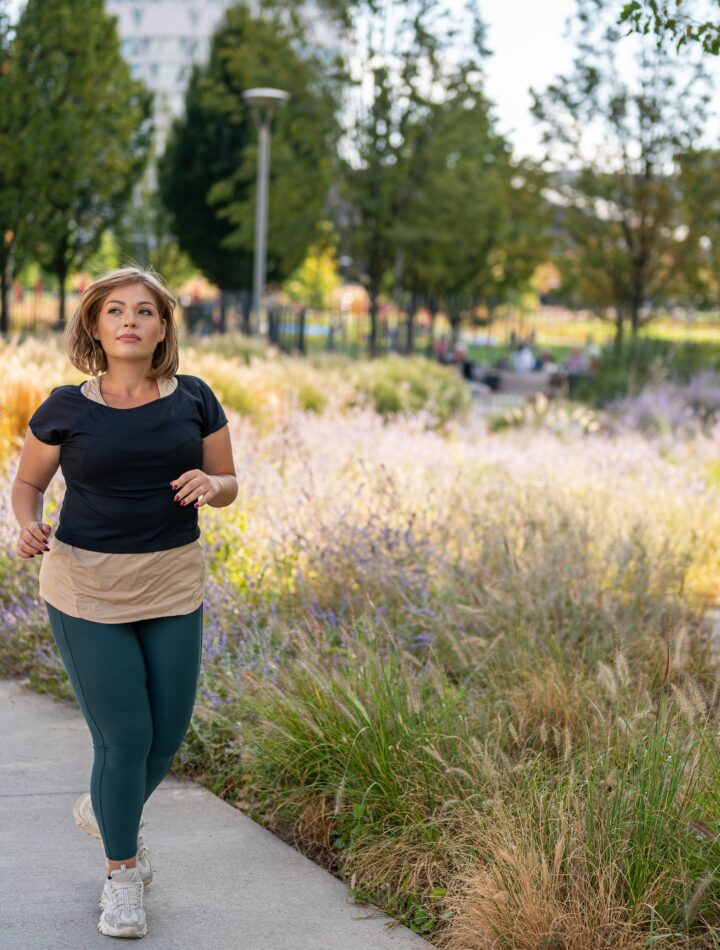
Walking is one of the simplest and most accessible ways to stay active. It requires no gym, no special equipment beyond a comfortable pair of shoes, and it fits into almost any schedule. Whether you are getting back into movement after a break or just want a routine you can stick with, walking is an easy place to start. This guide breaks down how to build a walking habit that lasts.
Why walking is a great place to start
Walking is low-impact and gentle on the joints, which makes it approachable for a wide range of ages and fitness levels. You can do it almost anywhere, and you can adjust the pace and distance to match how you feel on any given day.
It also fits naturally into daily life. You can walk the dog, take a lap after lunch, or park a little farther from the door. Because it feels manageable, walking is a habit many people find easier to keep up than a more demanding routine.
Start where you are
The best walking routine is one you can actually maintain, so start at a level that feels comfortable. If you are new to regular activity, a 10 to 15 minute walk is a perfectly good beginning. There is no need to push hard right away.
Pay attention to how your body feels and build gradually. It is better to finish a walk feeling good and wanting a little more than to overdo it and feel discouraged the next day. Comfortable, repeatable walks are what build a lasting habit.
Build up gradually
Once a short walk feels easy, you can slowly add time or distance. A common approach is to increase your walking time by a small amount each week, rather than making big jumps all at once. This gives your body time to adjust.
General physical activity guidance from public health agencies points to roughly 150 minutes of moderate activity per week as a common target for adults. That breaks down to about 30 minutes, 5 days a week, and you can split it into shorter walks that add up. Reaching that target over several weeks is a reasonable goal to work toward.
Find a comfortable pace
A moderate pace is one where your heart rate is up and you feel slightly warm, but you can still hold a conversation. This is often called the talk test, and it is a simple way to gauge your effort without any gadgets.
You do not need to power walk to get value from the habit. A steady, comfortable pace that you enjoy is more sustainable than pushing so hard that walking starts to feel like a chore. As you get fitter, you may naturally find your pace picking up.
Tips to stay consistent
A few small strategies make a walking routine much easier to keep. Schedule your walks like appointments, since a set time is easier to protect than a vague intention. Pairing a walk with something you already do, like a morning coffee or an evening podcast, also helps it stick.
Having a walking buddy can add accountability and make the time more enjoyable. Tracking your steps or minutes, even with a simple note or a phone app, gives you a sense of progress. On days you do not feel like a full walk, a short one still counts and keeps the habit alive.
Stay comfortable and safe
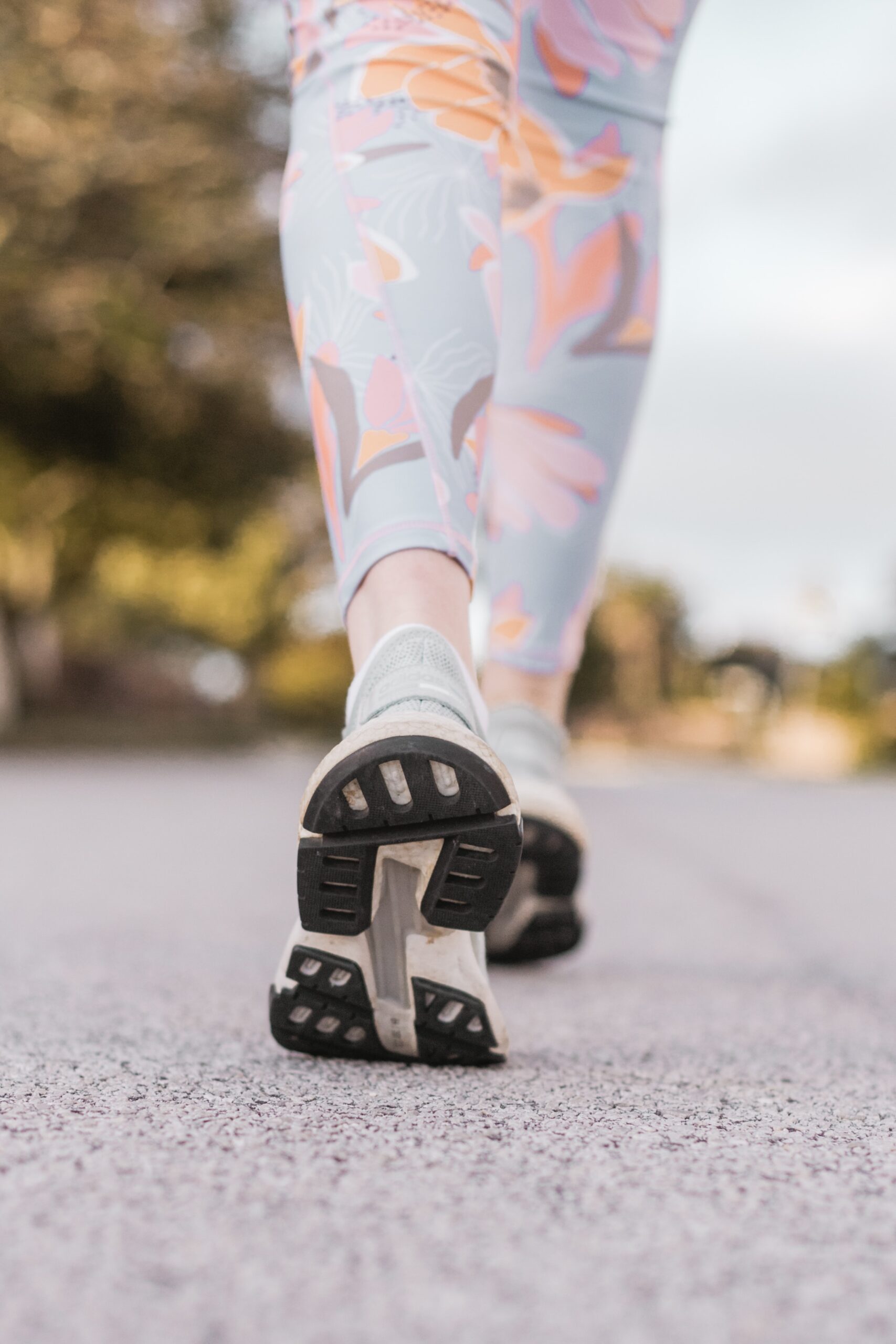
A supportive pair of shoes goes a long way toward keeping your walks comfortable. Dress for the weather, stay hydrated on warm days, and choose well-lit, familiar routes when you can. Warming up with a slower first few minutes and easing off at the end helps your body transition.
Listen to your body and rest when you need to. If you have any existing health conditions or concerns, it is a good idea to talk with your doctor before starting a new activity routine. A little personalized guidance can help you choose a pace and plan that are right for you.
Putting it all together
Starting a walking routine comes down to a few simple ideas: begin where you are, build up gradually, find a comfortable pace, and focus on showing up consistently. You do not need to walk far or fast to make it a valuable part of your day. Pick a time that works, lace up your shoes, and let the habit grow from there.